Timber Sale Contracts
Too often timber harvests are conducted with no more than a nod and a handshake between the parties involved. Although this procedure sometimes works, a written agreement is far better.
What can we help you find?

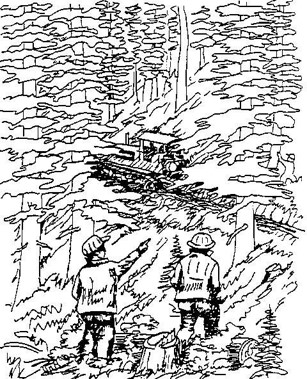
In technical terms, timber sale administration is the supervision of harvest activities to achieve silvicultural and economic objectives through sound logging practices and proper log utilization. In plain English, sale administration is telling a logger what you want before it’s too late.
Communication and cooperation between a landowner and the logger is crucial. Very often, operators receive no feedback from landowners until a problem arises or the harvest is completed. But loggers need constructive input and criticism all during a harvest so they can adjust to the landowner’s desires.
Here are some items to monitor while a harvest is in progress.
Make sure only designated timber is being harvested. Trees marked reserve or protected by a diameter limit should be found standing and in good condition when
the dust clears. If overcutting is evident, let operators know immediately so they can adjust. Once in a while, it is impossible to avoid cutting or damaging a reserve tree. Be tolerant of an occasional glitch.
Also, determine if enough is being cut. Over the course of a harvest, thousands of board feet can be left in the woods in the form of small merchantable trees or unreasonably high stumps.
Although the right trees are cut, they may not leave the woods. Occasionally a small merchantable tree, log, or chunk is missed or purposely forgotten. Mark any missed piece with flagging or paint. Let operators know they are expected to retrieve missed logs.
Falling, skidding, and decking a tree does not insure it will get to the mill. Check landing debris and slash piles for merchantable logs and pieces. Mark them for retrieval.
Any merchantability and utilization standards outlined in the contract should be consistently met. Examine manufactured logs at the landings. Determine if they are being cut to the required top diameter. Also check the necessity of long butting. Logs do not usually have to be totally free of rot to be merchantable. Contract standards should be met.
Anyone conducting a timber harvest needs to be familiar with the rules and regulations of the Idaho Forest Practices Act (FPA). Copies can be obtained from your local IDL Private Forestry Specialist (PFS).Most of the rules protect water quality and land productivity.
Normally, random inspections are conducted by IDL, but a Private Forestry Specialist will also visit upon request. The Private Forestry Specialist can answer questions, provide assistance, or conduct a joint inspection. Forest Practice Act rules should be incorporated into the sale contract and enforced.
Slash piles need to be relatively free of dirt and in a burnable condition. Have piles located a safe and required distance from green trees, streams, or ponds. If the adequacy of slash disposal is in question, contact your local fire warden or Private Forestry Specialist for an inspection or advice.
The quality, progress, and completion of development work such as culvert installation, road construction, surfacing, etc. should be checked against the technical specifications of the contract. Also, monitor the protection of fences, gates, ponds, roads, and other land improvements. Make sure garbage, filters, cans, etc. are cleaned up and properly disposed.
A conflict can arise even with open communications and active administration. Questions and concerns should be taken to the sale purchaser or whoever is responsible for
operations. It’s advisable to resolve any conflict as soon as possible. If an impasse is met, the contract should include provisions to halt operations and arbitrate disputes. Such action can put a damper on cooperation and should only be used as a last resort.
No harvest can be firmly administered without a well written contract. That document serves as the authority on practices, responsibilities, and procedures. A contract enhances sale administration but does not complete it. Administration is looking after a harvest while maintaining open and active communication and cooperation. Administer your harvest to achieve your goals.
Too often timber harvests are conducted with no more than a nod and a handshake between the parties involved. Although this procedure sometimes works, a written agreement is far better.
Slash cleanup after harvest can serve many good and positive purposes; it protects the area from fire and insect damage, provides for silvicultural and timber stand improvements, provides grazing capabilities for wildlife, and last, but not least, makes the logging job look good.
A consulting forester knows the technical aspects of forestry, including the inner workings of the marketplace for wood products. They are experienced and skilled and are recognized as experts in their field. Professional consulting foresters blend the art and science of managing forest ecosystems. Their business is providing forestry expertise to your needs.
A snag is a standing dead or dying tree. It may have died because of wildfire, insects, disease, lightning, or a combination of factors. Regardless of the reason for its death, a snag can be very important to many kinds of wildlife.
Administering a Timber Harvest In technical terms, timber sale administration is the supervision of harvest activities to achieve silvicultural and economic objectives through sound logging practices and proper log utilization. In plain English, sale administration is telling a logger what you want before it’s too late. Communication and cooperation between a landowner and the logger […]